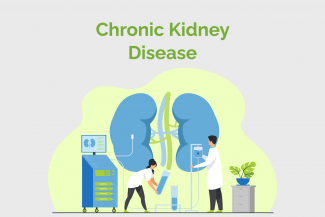
Chronic kidney disease (CKD) is a worldwide public health problem.
lthough the exact reasons for the growth of CKD are unknown, changes in the demographics of the population, differences in disease burden among racial groups, and under-recognition of earlier stages of CKD and of risk factors for CKD may partially explain this growth
It is also known as Chronic Renal Disease.
Managing Chronic Kidney Disease
Chronic kidney disease brings a markedly increased risk of cardiovascular disease, which is a more common cause of death in these patients than renal failure. These patients often have other risk factors for heart disease, such as hyperlipidemia (increased lipid levels in blood).
Kidney Friendly Diet
A healthy diet can help slow the progression of CKD, control blood pressure, reduce swelling, and support your overall health. Your diet should be tailored to your stage of CKD, blood test results, and other conditions such as diabetes or high blood pressure. A renal dietitian can help you create a meal plan that meets your nutritional needs.
General dietary tips include:
- Reduce salt (sodium): Limit salt to less than 1 teaspoon (5 g) a day, including the salt used in cooking. Too much salt can increase blood pressure and cause your body to retain fluid. Cut down on pickles, papads, chutneys, namkeens, instant noodles, packaged snacks, chips, sauces, and processed foods, which are often high in salt.
- Choose fresh, home-cooked meals which gives you better control over salt, oil, and spices. Include a variety of whole grains (such as whole wheat, oats, millets, or rice), vegetables, fruits (as advised), dals, and healthy fats. Limit fried foods, bakery items, processed meats, and sugary drinks.
- Eat the right amount of protein: Protein is important for maintaining muscle and repairing tissues, but too much can put extra strain on the kidneys. Good protein sources include dal, milk or curd, eggs, fish, chicken, soy products, and paneer. People with advanced CKD may need to limit protein, while those on dialysis often require more.
- Be mindful of potassium and phosphorus: As kidney function declines, your kidneys may not be able to remove these minerals effectively. Depending on your levels, you may need to limit foods such as bananas, oranges, mangoes, coconut water, potatoes, tomatoes, spinach, dried fruits, nuts, seeds, chocolate, cola drinks, processed cheese, and bran cereals.
- Drink the right amount of fluids: Not everyone with CKD needs to restrict fluids. Your doctor will advise you based on your kidney function and whether you have swelling or reduced urine output.
- If you have diabetes: Choose high-fibre carbohydrates such as whole wheat chapatis, oats, or millets (if suitable for your CKD stage), eat regular meals, and limit sweets & sugary beverages.
Stay physically active
Regular exercise improves your heart health, helps control blood pressure and blood sugar, strengthens muscles and bones, boosts energy levels, and supports mental well-being. Aim for:
- At least 150 minutes of moderate-intensity physical activity each week, such as brisk walking, cycling, swimming, dancing, or yoga.
- Muscle-strengthening exercises on two or more days each week, if appropriate.
- If you have advanced CKD, heart disease, or other health conditions, ask your healthcare team which exercises are safe for you.
Maintain a healthy lifestyle
In addition to diet and exercise, other healthy habits can help protect your kidneys.
- Control your blood pressure by taking your medicines regularly, limiting salt, staying active, and maintaining a healthy weight.
- Manage diabetes by keeping your blood sugar within your target range.
- Stop smoking, as smoking speeds up kidney damage and increases the risk of heart disease and stroke.
- Limit alcohol according to your healthcare provider's advice.
- Maintain a healthy weight, as excess weight increases the risk of diabetes, high blood pressure, and further kidney damage.
- Get enough sleep (around 7–9 hours each night) and manage stress through relaxation techniques, meditation, hobbies, or talking with family and friends.
- Avoid medicines that may harm your kidneys, such as certain painkillers (NSAIDs like ibuprofen and diclofenac), unless advised by your doctor. Always tell your healthcare provider about any over-the-counter medicines, herbal remedies, or supplements you are taking.
Keep up with regular monitoring. CKD often progresses without causing noticeable symptoms. Regular check-ups help detect changes early so your treatment can be adjusted if needed. Your healthcare team may recommend:
- Blood tests
- eGFR (estimated Glomerular Filtration Rate): Shows how well your kidneys are filtering waste.
- Creatinine: Used to calculate your eGFR.
- Haemoglobin: Checks for anaemia, which is common in CKD.
- Potassium, sodium, bicarbonate and other electrolytes: Help assess your body's mineral and acid balance.
- Calcium, phosphorus and parathyroid hormone (PTH): Monitor bone and mineral health.
- Blood sugar (HbA1c): If you have diabetes or are at risk of developing it.
- Cholesterol (lipid profile): Assesses your risk of heart disease.
- Urine tests
- Albumin-to-creatinine ratio (ACR): Detects protein (albumin) in the urine, which is an early sign of kidney damage and helps monitor disease progression.
Other checks
- Blood pressure: High blood pressure can worsen CKD and should be checked regularly.
- Weight: Sudden weight gain may indicate fluid retention.
- Swelling (oedema): Your doctor may check for swelling in your legs, ankles, feet, or around your eyes.
How often these tests are needed depends on your stage of CKD and your individual health needs.
Work with your healthcare team:
- A general practitioner
- Nephrologist
- Nutritionist
- Fitness expert
- Other specialists as you require
CKD is a long-term condition that requires ongoing care. Attend your follow-up appointments, take your medicines exactly as prescribed, and discuss any new symptoms or concerns with your healthcare team. Do not stop or change your medicines without medical advice. Learning about CKD, asking questions, and involving your family or caregivers in your care can help you make informed decisions and manage your condition with confidence.
Read and learn from lived experiences of persons with CKD
Changed
28/Jul/2026
Condition